· Smart Money (Financials) · 13 min read
How Drivers Can Maximize Credit Card Rewards on Everyday Spending
A complete guide for independent drivers on how to separate expenses, choose the right reward cards, and turn daily spending into valuable cash back.
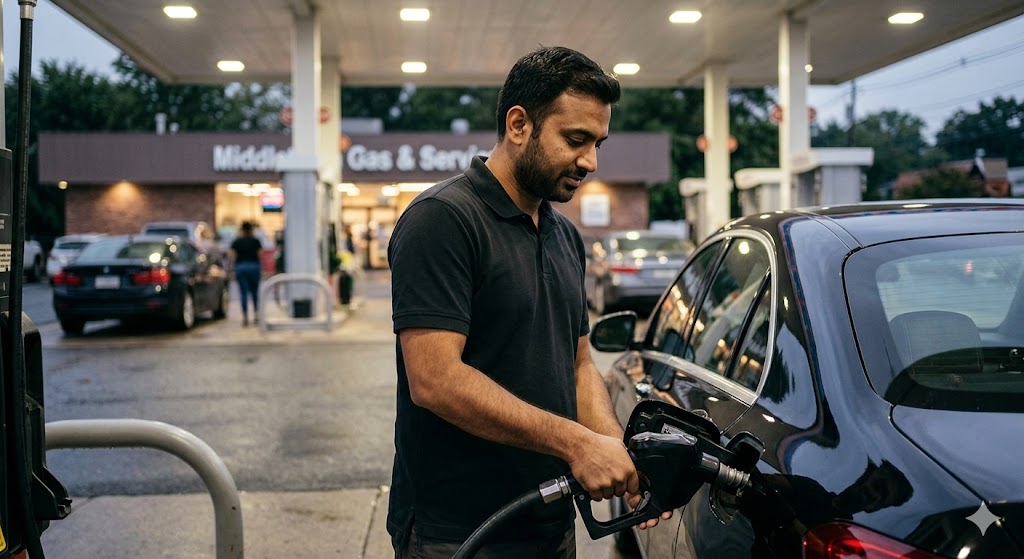
For independent drivers, everyday spending is not small. Gas, tolls, car washes, maintenance, phone bills, snacks, coffee, parking, insurance, software, and airport trips all add up.
The good news is that a lot of that spending can also earn rewards if you organize it the right way.
The trick is not to chase points like a hobby. The trick is to turn expenses you already have into cash back, travel credits, statement credits, gift cards, or points that lower your real cost of doing business.
This guide is written for private drivers, rideshare drivers, airport drivers, black car drivers, and anyone using their vehicle to earn income.
First rule: rewards only work if you pay the balance in full
Credit card rewards are only valuable when you are not paying interest. A 3% or 5% reward does not help much if you are carrying a balance at a high APR.
Use credit cards like a payment tool, not a loan. The goal is simple: put planned expenses on the right card, earn rewards, then pay the card off in full.
Also, reward programs change. Categories, caps, redemption values, fees, and welcome offers can be updated at any time. Before applying for any card, check the current terms directly from the issuer.
Start by separating business and personal spending
This is the move most drivers skip.
Use one card only for driving-related expenses. That could include:
- Gas or EV charging
- Car washes
- Oil changes and repairs
- Tires
- Phone bill
- Parking
- Tolls
- Driver snacks and bottled water
- Booking software, website tools, or CRM tools
- Business cards, QR cards, flyers, and signs
This makes tax season cleaner and gives you a better view of your real profit. It also helps you see which spending categories matter most.
Once you know where your money goes, you can pick the right rewards setup.
Match the card to the expense category
Most drivers spend heavily in a few areas. The best setup is usually not one card. It is a small “card stack.”
A simple driver reward stack could look like this:
You do not need ten cards. Two or three cards can cover most driver expenses.
For example, one card for fuel, one card for restaurants and coffee, and one flat-rate cash-back card for everything else.
Best card examples for drivers
Here are examples of cards that can make sense for drivers, depending on how you spend.
Citi Custom Cash® Card
This can be a strong gas card if fuel is your biggest monthly category. Citi says the card earns 5% cash back on your top eligible spending category each billing cycle, up to the first $500 spent, then 1% after that. Rewards are earned as ThankYou® Points. (Citi)
Driver use case: Use it mostly for gas. If gas is your top eligible category that month, you may get the higher rate on that spend up to the monthly cap.
Best for: drivers with predictable monthly fuel spending around the bonus cap.
Costco Anywhere Visa® Card by Citi
This can work well for drivers who already buy gas at Costco. Citi says the card earns 5% cash back on gas purchased at Costco and 4% cash back on other eligible gas and EV charging purchases, on a combined $7,000 per year, then 1% after that. (Citi)
Driver use case: If Costco gas is already part of your routine, this can be an easy way to improve your fuel rewards without changing much.
Best for: Costco members who fill up often.
Wells Fargo Autograph℠ Card
This is one of the cleaner one-card options for drivers because it covers several driver-friendly categories. Wells Fargo says the card earns unlimited 3X points on restaurants, travel, gas stations, transit, popular streaming services, and phone plans, plus 1X on other purchases. The card is also eligible for cell phone protection, subject to terms. (wellsfargo.com)
Driver use case: Use it for gas, tolls, parking, meals, coffee, airport-related travel costs, and your phone bill.
Best for: drivers who want one card that covers many common expenses.
Capital One Savor Cash Rewards Credit Card
This card can be useful for everyday food and supply spending. Capital One says Savor earns unlimited 3% cash back at grocery stores, on dining, entertainment, and popular streaming services, plus 1% on other purchases. (Capital One)
Driver use case: Use it for coffee, lunch, groceries, and passenger supplies like water bottles, mints, snacks, wipes, and tissues.
Best for: drivers who buy food and supplies frequently.
Blue Cash Preferred® Card from American Express
This card can be useful if you spend heavily at U.S. supermarkets. American Express says it earns 6% cash back at U.S. supermarkets on up to $6,000 per year in purchases, plus rewards on everyday categories such as streaming, gas, and transit. (American Express)
Driver use case: Buy passenger supplies at supermarkets instead of convenience stores. You may earn more while also paying less per item.
Best for: drivers who buy groceries and passenger supplies regularly.
Chase Ink Business Cash® Credit Card
This is a business card that can make sense for independent drivers who treat driving like a real business. Chase says it earns 5% cash back on the first $25,000 spent in combined purchases at office supply stores and on internet, cable, and phone services each account anniversary year. It also earns 2% cash back on the first $25,000 spent in combined purchases at gas stations and restaurants each account anniversary year. (Chase Credit Cards)
Driver use case: Use it for your phone bill, internet, office supplies, printed QR cards, business materials, and certain driver supplies.
Best for: private drivers building repeat-client businesses.
U.S. Bank Cash+® Visa Signature® Card
This card lets cardholders pick two 5% categories from available options. U.S. Bank lists categories such as cell phone providers, TV/internet/streaming services, fast food, and ground transportation. (U.S. Bank)
Driver use case: Pick categories that match predictable spending, like cell phone providers or ground transportation.
Best for: drivers who want to target one or two specific recurring categories.
The “fuel multiplier” trick
Fuel is one of the biggest expenses for many drivers, so even a small improvement matters.
Let’s say you spend $800 per month on gas.
At 1% back, you earn $8.
At 4% back, you earn $32.
That is $384 per year instead of $96.
Same spending. Better setup.
The outside-the-box move is to combine rewards when allowed:
- Use a gas station loyalty account.
- Pay with a card that earns strong gas rewards.
- Use a grocery or warehouse fuel program when the math works.
- Track which stations actually code as “gas” on your card.
That last point matters. Some warehouse clubs, superstores, or convenience stores may not code the way you expect. Test with a small purchase, check the reward category, then decide where to fill up regularly.
Use grocery stores as a rewards bridge
Here is a smart but safe “loophole”: some grocery cards earn high rewards at supermarkets. Many supermarkets sell gift cards for gas stations, car washes, restaurants, and phone services.
So instead of buying gas station coffee, car wash credits, or driver supplies directly, you may be able to buy the gift card at the grocery store and earn the grocery multiplier.
Example:
You have a card that earns strong rewards at grocery stores. Your local supermarket sells a gift card for the gas station you already use. You buy the gift card during your normal grocery trip, then use it for gas.
Important: do not go overboard. Some issuers dislike unusual gift-card-heavy activity. Keep it natural, stay within card terms, and only buy gift cards for places you actually use.
Turn car washes into a reward category
A lot of drivers wash their car several times per week. That becomes real money.
Instead of paying one wash at a time, check whether your preferred car wash offers:
- Monthly memberships
- Discounted prepaid wash bundles
- Gift cards
- App-based reloads
- Business or fleet pricing
Then pay with the card that earns the best rate for that merchant.
The reward is only part of the value. The bigger win may be lowering the base cost. A $30 monthly wash plan plus rewards beats paying $12 per wash several times a month.
Use dining rewards for “between rides” spending
Drivers buy a lot of small food and drink items: coffee, lunch, bottled water, quick meals, airport snacks.
These small purchases feel harmless, but they add up. A $12 lunch and $5 coffee five days per week is about $340 per month.
Use a card that earns strong rewards on dining. Also join restaurant apps and loyalty programs where you already stop.
The trick is not to spend more. The trick is to stop letting small purchases earn nothing.
Buy passenger supplies strategically
If you keep water bottles, mints, phone chargers, tissues, wipes, or small comfort items in the car, do not buy them randomly from gas stations.
Buy them in bulk from warehouse clubs, supermarkets, or online retailers where your reward card performs better.
For example:
This turns “nice passenger experience” spending into planned business spending.
Use shopping portals before buying online
Before buying tires, dash cams, seat covers, chargers, cleaning supplies, business cards, or phone mounts, check whether your card issuer or airline has a shopping portal.
A shopping portal gives you extra points or cash back for clicking through their link before buying from the retailer.
Example:
You need a $200 dash cam.
Without a portal, maybe you earn only your normal card rewards.
With a portal, you may earn card rewards plus extra portal rewards.
The price may be the same, but the reward is better.
Just compare the final price. A portal is not worth it if the item costs more than buying elsewhere.
Stack subscriptions carefully
Drivers often pay for things like:
- Phone service
- Navigation apps
- Music streaming
- Cloud storage
- Accounting software
- Booking tools
- Website hosting
- CRM tools
Put recurring business subscriptions on one card. This gives you cleaner records and steady rewards.
Some cards also offer cell phone protection when you pay your phone bill with that card. Read the terms carefully because coverage, deductibles, and exclusions vary.
Do not ignore business credit cards
If you are operating as an independent driver, a business credit card may be worth considering. You do not always need a large company to qualify. Many sole proprietors use business cards.
Business cards can help separate expenses, track spending, and sometimes offer better categories for gas, office supplies, advertising, shipping, internet, or phone bills.
This is especially useful if you are building your own private client base and spending on:
- Google Business Profile assets
- QR cards
- Local ads
- Website tools
- Booking software
- Email marketing
- Client gifts
- Printed materials
For a driver using HytchUp or another client-booking tool, this can make the business side easier to track.
Use the “sign-up bonus calendar” carefully
Sign-up bonuses can be powerful, but only if you already have planned spending.
For example, if you know you have a large expense coming up — new tires, insurance renewal, brake work, website build, phone upgrade, or vehicle detailing equipment — that may be a good time to open a card with a welcome bonus.
Do not create fake spending just to hit a bonus. Do not buy things you do not need. Do not carry a balance.
The smart version is:
- Wait for a real planned expense.
- Open the right card before the expense.
- Use the expense to help meet the bonus.
- Pay it off.
That is one of the cleanest reward “loopholes” because you are using timing, not tricks.
Pay insurance with a card only if the math works
Some insurance companies allow credit card payments. Some charge a fee. Do the math.
If the fee is 2.5% and your card earns 2%, you are losing money.
But if there is no fee, or if the payment helps you earn a sign-up bonus, it may be worth it.
Same idea applies to registration, business licenses, and some government payments. Always compare the fee against the value of rewards.
Simple card setups for drivers
Setup 1: Simple cash-back setup
Use this if you do not want to think too much.
- Wells Fargo Autograph℠ for gas, tolls, parking, phone, dining, and travel
- A flat-rate cash-back card for everything else
This keeps things simple and still captures many driver categories.
Setup 2: Gas-heavy driver setup
Use this if fuel is your biggest expense.
- Citi Custom Cash® Card for gas, if gas is your top eligible monthly category
- Capital One Savor for meals, coffee, and groceries
- A flat-rate cash-back card for repairs, insurance, and random expenses
Setup 3: Costco driver setup
Use this if Costco gas is part of your routine.
- Costco Anywhere Visa® Card by Citi for Costco gas and eligible gas or EV charging
- Capital One Savor or Blue Cash Preferred® for groceries and passenger supplies
- A flat-rate cash-back card for everything else
Setup 4: Private driver business setup
Use this if you are building repeat clients and paying for tools, marketing, and supplies.
- Chase Ink Business Cash® for phone, internet, office supply stores, and business essentials
- Wells Fargo Autograph℠ for gas, tolls, parking, restaurants, and travel
- U.S. Bank Cash+® for selected categories like cell phone providers or ground transportation
Pro tip: do a 30-day spending audit before applying
Before choosing any card, look at one month of spending and group it like this:
| Category | Monthly spend | Best card type |
|---|---|---|
| Gas / EV charging | $___ | Gas rewards card |
| Tolls / parking | $___ | Transit/travel card |
| Dining / coffee | $___ | Dining card |
| Phone bill | $___ | Phone rewards/protection card |
| Car washes | $___ | Flat cash back or merchant offer |
| Supplies | $___ | Grocery, warehouse, or office supply card |
| Software/tools | $___ | Business or flat cash-back card |
Pick the card that rewards your real spending, not your imagined spending. That is where drivers usually find the most money.
Avoid dangerous “loopholes”
Some online rewards communities talk about manufactured spending, money orders, cycling credit limits, buying huge amounts of gift cards, refundable travel tricks, or paying yourself through payment apps.
For most drivers, this is not worth the risk.
You can lose rewards, get your card shut down, trigger reviews, or waste time chasing a few dollars. Worse, if you mix messy payments with business expenses, you can make your tax records harder to explain.
The better loopholes are boring:
- Better timing
- Better category matching
- Better shopping portals
- Better gift card use
- Better recordkeeping
- Better sign-up bonus planning
- Better fuel and wash programs
Boring usually wins.
A simple weekly rewards routine for drivers
Here is a practical system:
Monday: Fill up using your best gas card and fuel loyalty account.
Tuesday: Buy passenger supplies in bulk instead of at gas stations.
Wednesday: Check your card app for merchant offers.
Thursday: Use a dining rewards card for meals or coffee.
Friday: Review upcoming expenses like washes, repairs, tolls, or subscriptions.
Saturday: Use a shopping portal before buying car supplies online.
Sunday: Review card transactions and tag business expenses.
This takes a few minutes, but it keeps your rewards strategy from becoming complicated.
The best rewards strategy is really a margin strategy
For drivers, rewards are not just “points.” They are part of your margin.
If you earn an extra $500 to $1,500 per year from smarter card use, that can cover:
- Car washes
- Phone bill
- Website tools
- Booking software
- Airport parking
- Passenger supplies
- Part of your insurance
- A weekend trip
The key is to stop spending randomly. Treat your driver business like a small business. Use the right card, stack rewards where it makes sense, keep clean records, and never pay interest just to earn points.
The smartest reward strategy is not about beating the banks. It is about making every dollar you already spend work a little harder.
Ready to grow direct bookings?
Start building your HytchUp booking flow for free.
Set up your booking page, keep rider details organized, and turn more repeat riders into direct clients.